
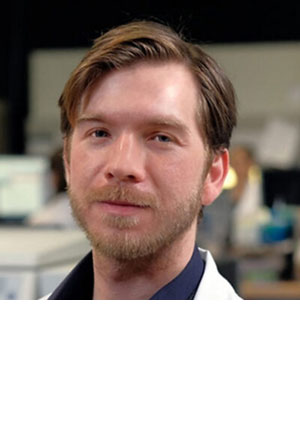
Dr. Noah E. Berlow is an engineer-scientist dedicated to advancing functional precision medicine (FPM)and AI-driven approaches to improve treatment selection for patients with rare and high-risk cancers. Trained in electrical engineering, computer science, and postdoctoral bioinformatics and drug development, his work centers on integrating computational methods with patient-derived functional assays to generate clinically actionable insights.
Dr. Berlow’s research spans machine learning–based drug sensitivity modeling, functional genomics, and biomarker discovery, with over 40 peer-reviewed publications in journals such as Nature Medicine, Science Translational Medicine, and ModernPathology. His contributions to genomic and functional studies in diffuse intrinsic pontine glioma (DIPG) helped identify new therapeutic targets and informed multiple pediatric clinical trials.
Dr. Berlow’s primary focus has been demonstrating the feasibility and clinical value of functional precision medicine. In 2024, he co-authored a landmark Nature Medicine study presenting the first large-scale clinical implementation of FPM for relapsed and refractory pediatric cancers. This work also underpins the ongoing clinical trial NCT05857969, which continues to evaluate FPM-guided therapeutic strategies across diverse tumor types.
In parallel with his academic and translational research, Dr. Berlow serves as Chief Technology Officer andCo-Founder of First Ascent Biomedical, where he supports development of xDRIVE, an AI-enabled platform designed to identify individualized drug combinations using integrated computational modeling. The platform is currently being assessed clinically in NCT07167381, a study focused on evaluating AI-informed FunctionalPrecision Medicine therapeutic predictions using patient-derived tumor models.
Across both FPM and AI-driven drug combination design, Dr. Berlow’s work aims to make functional, data-rich approaches more accessible and clinically meaningful, supporting oncologists, improving therapeutic decision-making, and ultimately expanding options for patients facing the greatest unmet needs.